



Education & Training
Taught by working engineers
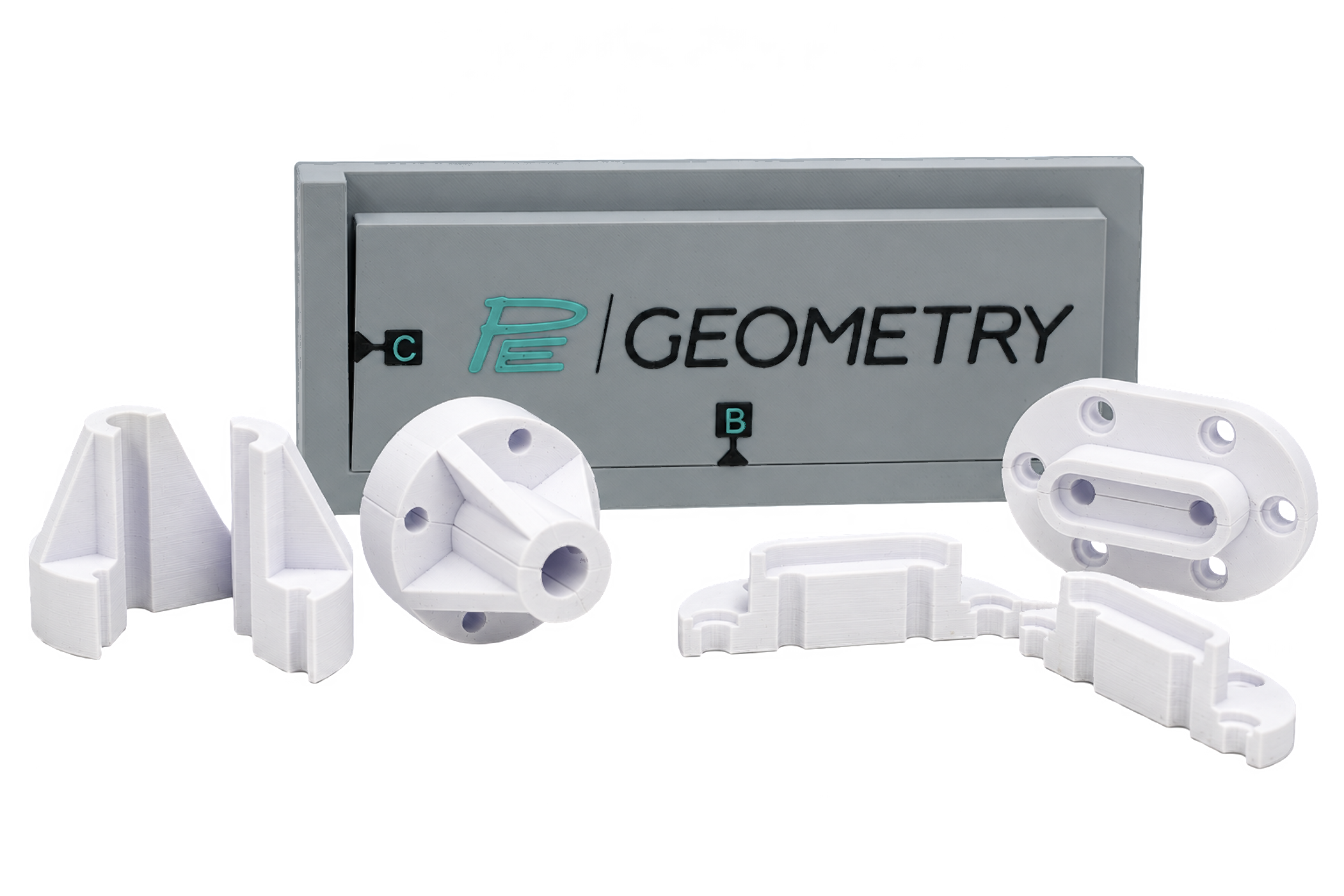
Our course leaders are not full-time trainers. Every one of them works in parallel on live projects, and as a company we work the whole span of variation management, from styling inception to running production. That reaches the classroom: examples come from real programs, and questions get answered from experience, not from the slide deck.
Who it's for
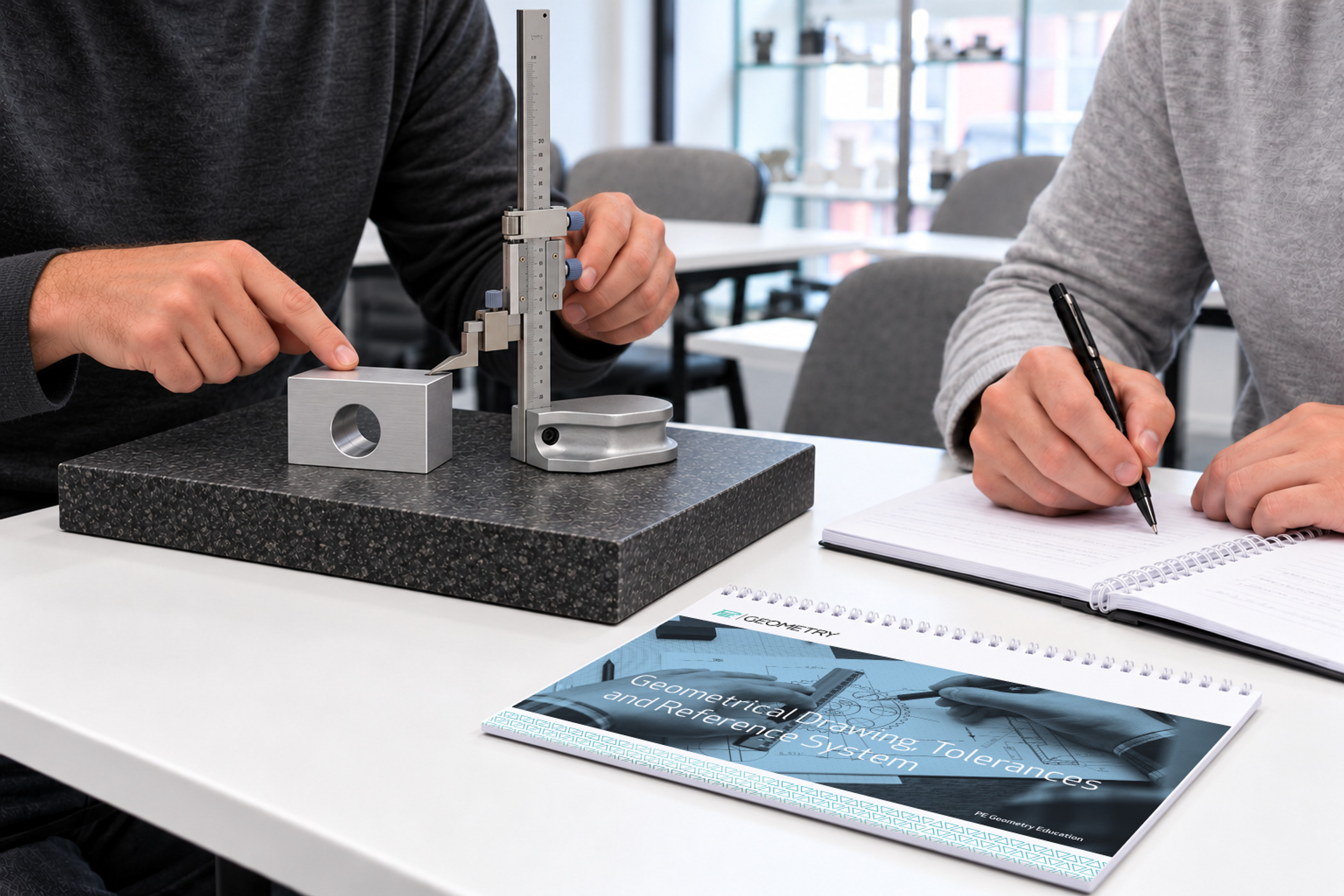
Anyone in contact with drawings and geometrical quality: design engineers, manufacturing engineers, supplier quality, quality technicians and engineers, metrologists, project managers, and more.
Core course topics
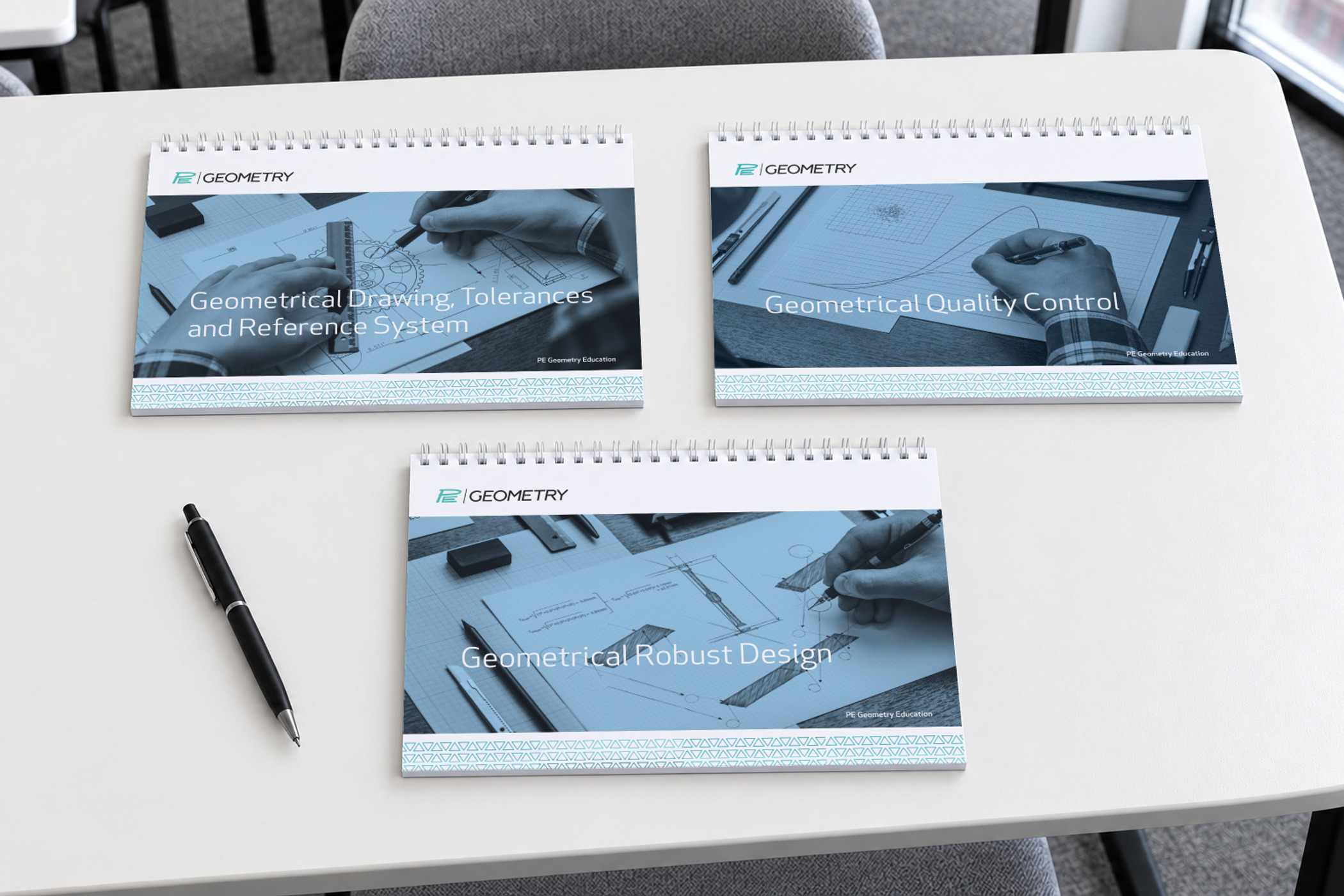
- GD&T & drawing interpretation: ASME Y14.5 or ISO GPS, fundamentals through advanced application, including datum reference frames, material condition modifiers (MMC/LMC), and profile and position tolerancing.
- Geometrical Robust Design: Designing assemblies that tolerate variation, including locating strategy, tolerance allocation, and hands-on tolerance stack-up calculations in 1D and 2D.
- Geometrical Quality Control: Verifying geometry in production, covering inspection planning, statistical process control (SPC), and interpretation of measurement results.
Beyond the core, we train teams in RD&T 3D variation modeling and measurement database management, and we often develop customized courses around a customer's own products, standards, or change process.
How training is delivered
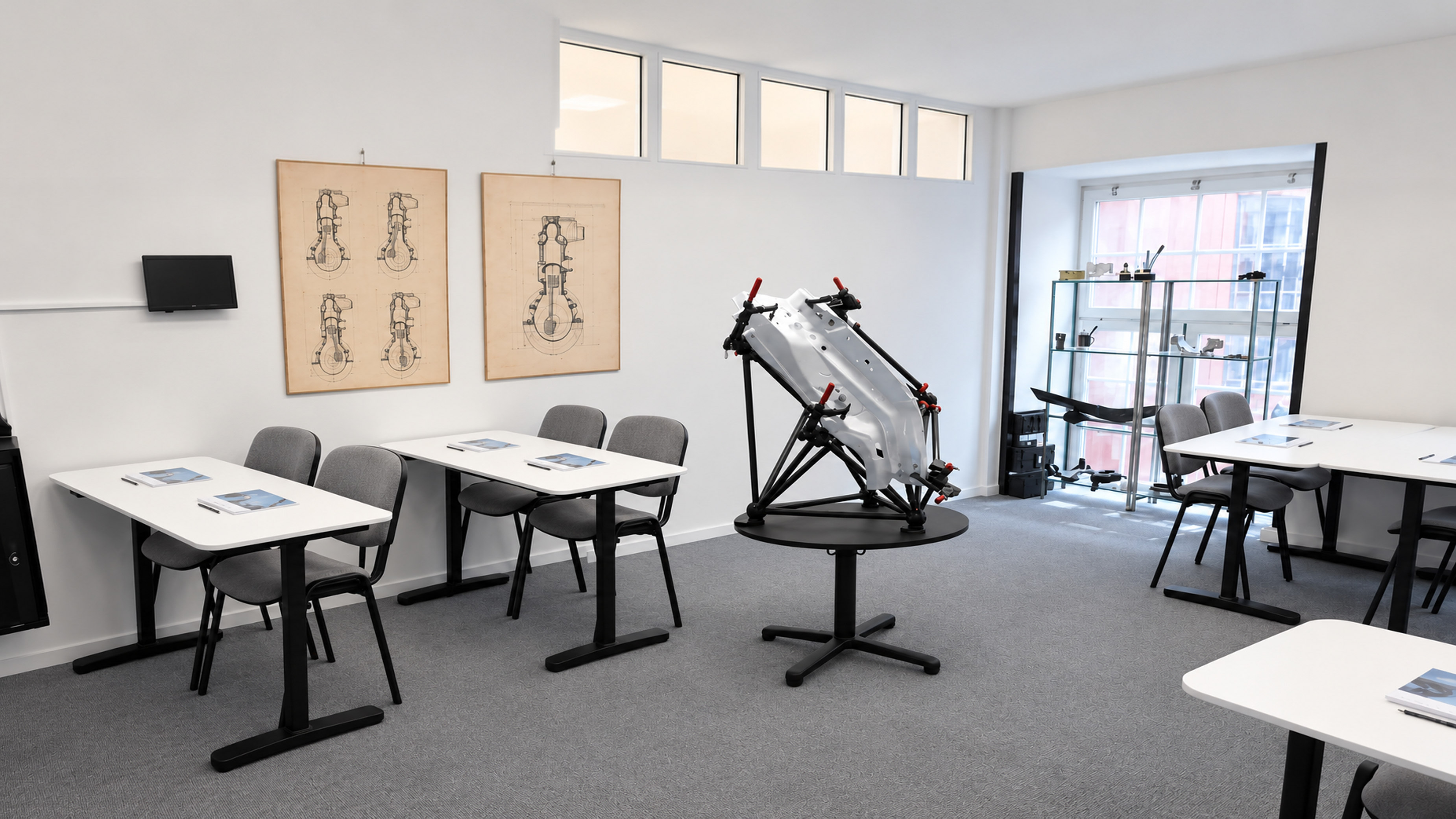
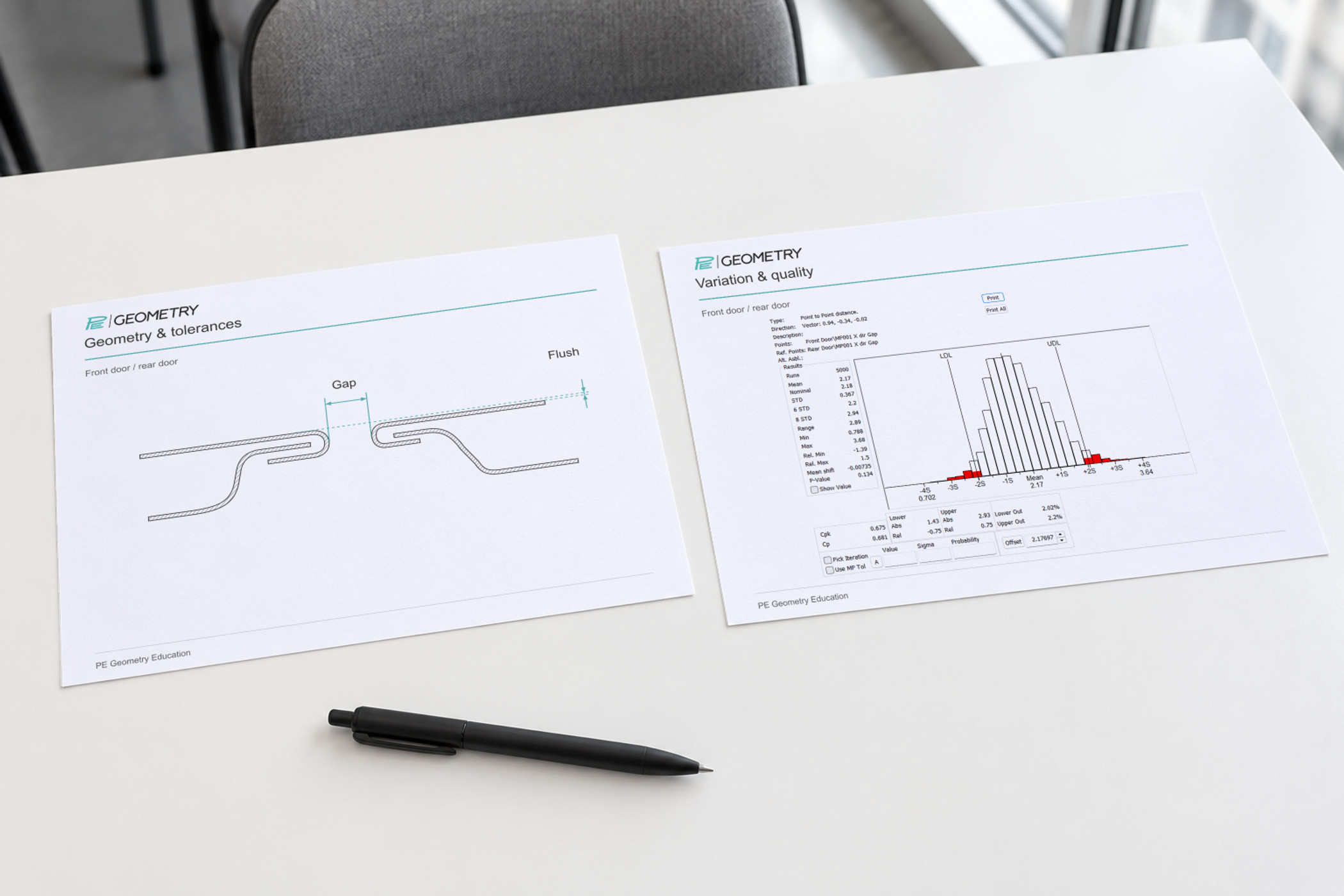
We prefer to train in person, at your site or at one of our locations. Geometry sticks better in a classroom, with parts on the table and discussion in the room. Remote sessions work too when distance or scheduling calls for it. Our offices have dedicated training rooms with high-quality equipment, suited for in-person and remote sessions.
Content and length adapt to the audience, and a design group gets a different course than a quality department. Tell us who needs training and what they work on, and we'll propose a format.
Frequently Asked Questions

In person whenever possible, at your site or one of ours; remote when distance or scheduling calls for it.
We adapt content, length, and format to the group; contact us with the audience and we'll propose a setup.
Yes, and in company-specific standards.